Arabisch Gom: A Natural Wonder
Arabisch Gom, also known as gum arabic, is a natural gum exudate with a long history of use across diverse industries. This article provides a comprehensive overview, exploring its botanical origins, chemical properties, applications, market dynamics, and future prospects, focusing on sustainable practices and ongoing research. This deep dive is essential for anyone interested in this valuable natural resource – from food scientists and industrial users to policymakers and sustainability advocates.
Botanical Origins and Production
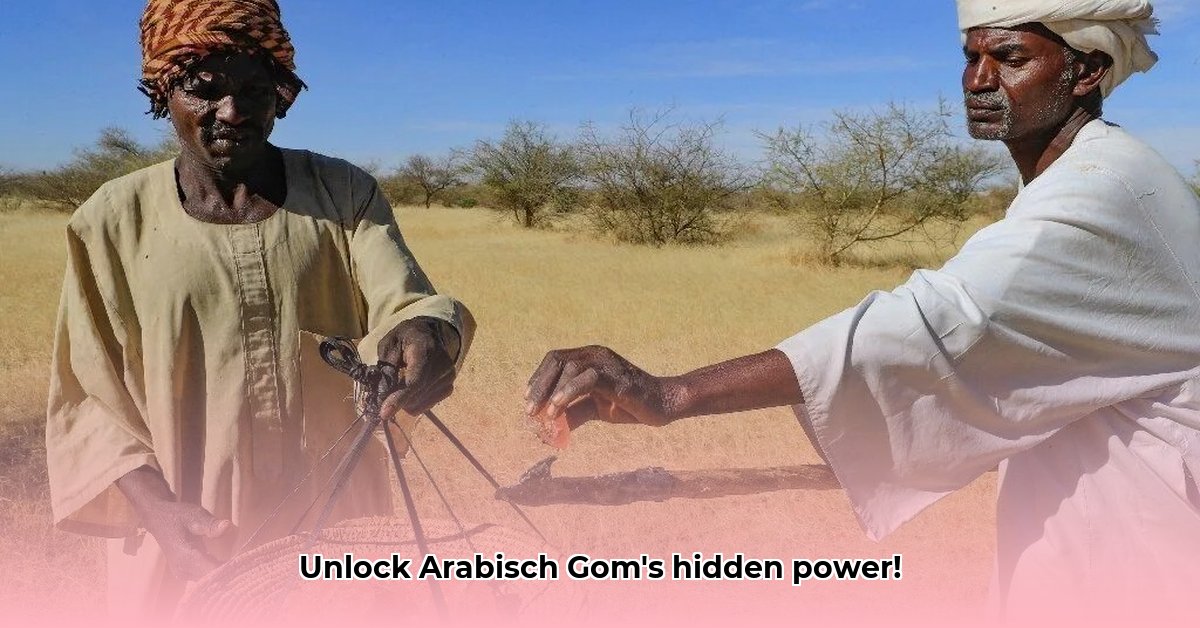
Arabisch Gom is primarily derived from two acacia tree species: Acacia senegal and Vachellia seyal, predominantly found in the drier regions of sub-Saharan Africa, including Sudan, Senegal, and Nigeria. Traditional harvesting involves carefully making incisions in the tree bark, allowing the gum to exude and harden. Modern methods incorporate improvements in efficiency while prioritising tree health. However, climatic challenges like droughts and locust infestations significantly impact production, leading to price fluctuations and challenging the livelihoods of those who harvest the gum. Isn't it remarkable how such a seemingly simple process is so heavily dependent on environmental factors?
Chemical Composition and Properties
Chemically, Arabisch Gom is a complex polysaccharide comprised of arabinose and galactose polymers. This unique structure accounts for its valuable properties as a binder (holding things together), emulsifier (keeping substances mixed), and stabilizer (preventing separation), making it a prized ingredient across various industries. Its official E number in the European Union is E414, a testament to its widespread use and regulatory acceptance. But what does this even mean in the context of everyday applications?
Applications in Various Industries
Arabisch Gom boasts a broad range of applications across many sectors. In the food industry, it acts as a thickener, stabilizer, and emulsifier in confectionery, beverages, and other food products. The art world also relies on its unique binding properties in watercolours and lithography. Beyond these, its uses extend to cosmetics, pharmaceuticals, and industrial adhesives. Could this versatile resource hold even more potential in the future?
Market Analysis and Challenges
The Arabisch Gom market is dynamic and faces several challenges. Competition from synthetic alternatives, price volatility due to fluctuating production, and geopolitical instability in producing regions all pose significant risks. A simplified risk assessment matrix highlights these critical challenges:
| Risk Factor | Likelihood | Impact | Mitigation Strategies |
|---|---|---|---|
| Drought & Climate Change | Very High | Very High | Develop drought-resistant varieties; improved water management |
| Locust Infestations | High | Moderate | Effective pest control; diversified farming practices |
| Political Instability | Medium | High | Diversified sourcing; strengthened supply chain partnerships |
| Synthetic Substitutes | High | Moderate | Highlight natural gum's unique properties and sustainability |
Potential Health Benefits and Research
While some preliminary research indicates potential prebiotic effects (supporting beneficial gut bacteria), more robust clinical trials are vital to confirm these claims and establish clear health benefits. Further research is crucial to fully understand the potential of Arabisch Gom in various health contexts. How much more evidence is needed to solidify these potential health benefits?
Sustainability and Future Prospects
Sustainable harvesting practices are crucial for the long-term viability of the Arabisch Gom industry. This involves implementing selective tapping, rotating harvesting sites, empowering local communities to manage acacia forests sustainably, and investing in research to develop drought-resistant varieties. A collaborative approach, involving producers, researchers, policymakers, and consumers, is essential for balancing economic growth with environmental conservation.
Conclusion: A Sustainable Future
Arabisch Gom's unique properties and diverse applications make it a valuable natural resource. However, its future depends on a collective commitment to sustainable harvesting, innovation, and continued research. By addressing the challenges and capitalising on the opportunities, we can ensure the continued use and prosperity of Arabisch Gom for future generations. How can we best ensure this crucial resource remains sustainably viable?
Key Takeaways:
- Sustainable harvesting methods are essential for protecting the acacia trees and ensuring the long-term availability of Arabisch Gom.
- The unique chemical composition of Arabisch Gom gives it versatile properties valued across numerous industries.
- Addressing market challenges, such as competition from synthetic alternatives and price volatility, requires a multi-faceted approach.